
Back to Patient Portal
Gallstones are one of the more common issues that can come up after bariatric surgery, and for a simple reason. The same rapid weight loss that makes bariatric surgery so effective is also one of the biggest triggers for gallstones. The reassuring part is that this is well understood, largely preventable, and straightforward to treat if it does happen.
Here’s why gallstones form after bariatric surgery, what can be done to prevent them, and how the gallbladder fits into your overall care.
In this article, we cover:
- The link between obesity and gallstones
- Why rapid weight loss causes gallstones
- How gallstones can be prevented
- Whether the gallbladder is removed during bariatric surgery
- What happens if gallstones develop later
Is there a link between obesity and gallstones?
Yes. Obesity is one of the strongest risk factors for gallstones, well before any surgery is considered. Carrying excess weight causes the liver to release more cholesterol into bile, and when bile holds more cholesterol than it can keep dissolved, stones begin to form. People living with obesity are several times more likely to develop gallstones than the general population.
So for many patients, some degree of gallbladder risk is already present on the day they come in. Bariatric surgery then adds a second, temporary trigger on top of it.


Why does rapid weight loss cause gallstones?
When you lose weight quickly, your body breaks down stored fat, and a lot of extra cholesterol passes through the bile system as it does. At the same time, a gallbladder that is emptying less often can allow bile to sit and concentrate. Together, these conditions make it easy for cholesterol stones or sludge to form.
This is why the risk is highest in the first few months after surgery, during the fastest phase of weight loss. Studies suggest gallstones can form anywhere from around 10 percent to over a third of patients during this period, though only some go on to have symptoms.
How can gallstones be prevented after bariatric surgery?
The most common preventive step is a medication called ursodeoxycholic acid (also known as ursodiol). Taken during the first few months after surgery, it keeps bile less saturated with cholesterol, which reduces the chance of stones forming while your weight is dropping fastest. Research supports its use for reducing gallstone formation during this window, and it’s generally well tolerated. If a patient is worried about forming gallstones, taking this medication is a reasonable thing to try. It’s not a routine step in Australia after bariatric surgery because the medication isn’t cheap, and because you can’t predict who may benefit from the therapy.
Staying well hydrated, eating regularly as advised by your dietitian, and following your aftercare plan all help too. This is one of the reasons ongoing follow-up matters so much, and why our patient aftercare keeps an eye on issues like this.
Is the gallbladder removed during bariatric surgery?
Sometimes, but not routinely. In the past, it was common to remove the gallbladder at the same time as bariatric surgery as a precaution. That approach has largely changed, because removing a healthy gallbladder adds time and risk to the operation, and most patients never develop gallbladder problems that need treatment.
Today the approach is individualised. If you already have gallstones that are causing symptoms, removing the gallbladder during the same operation is safe and often sensible. If your gallbladder is healthy, it’s usually left in place, with prevention and monitoring instead. Which path suits you is something your surgeon will discuss based on your scans and symptoms.
What happens if gallstones develop later?
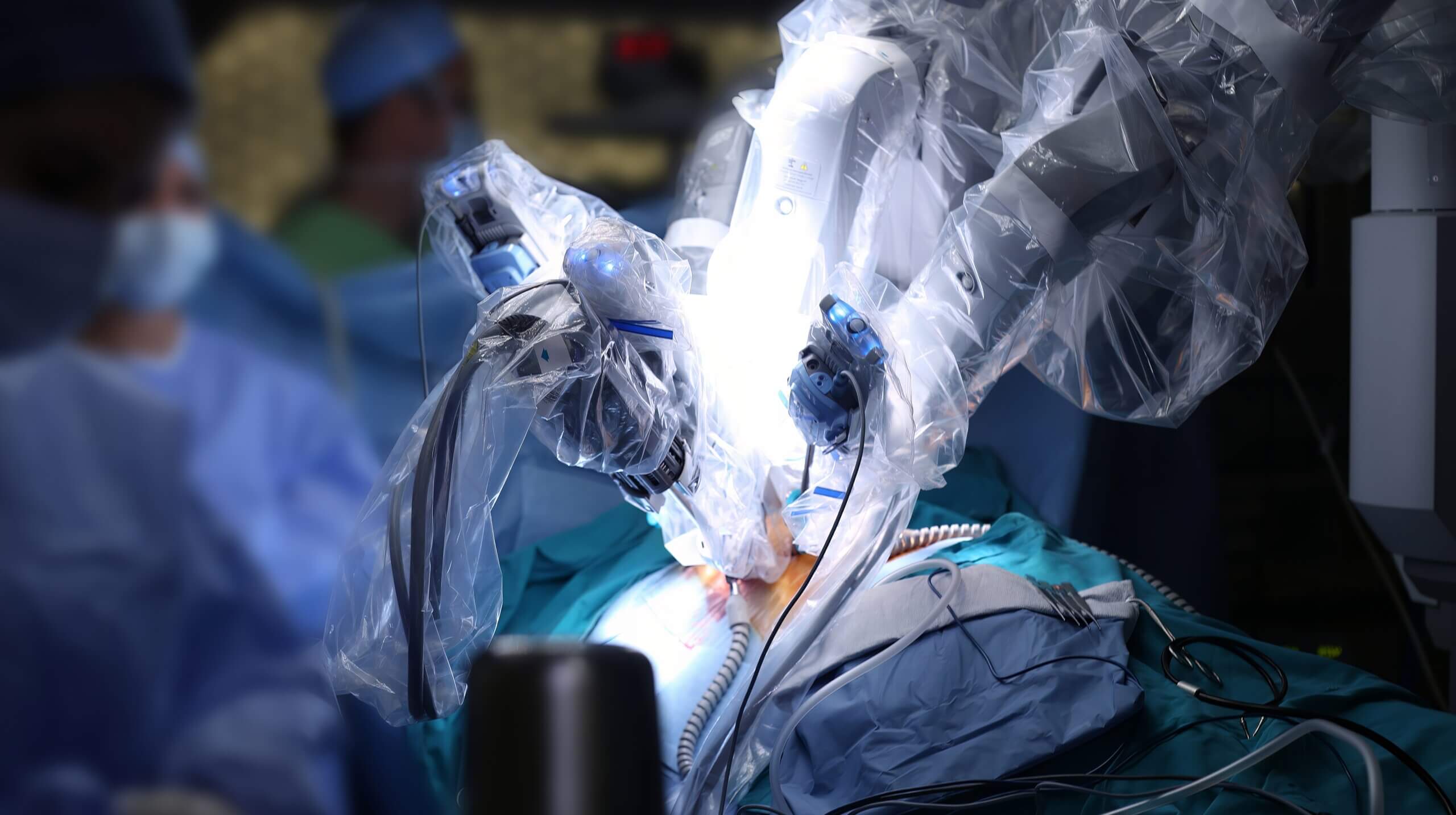
If gallstones do form and start causing problems, the treatment is to remove the gallbladder, an operation called a cholecystectomy.
This is where being treated by a team that does both really matters. As bariatric specialists who are also experts in gallbladder removal, we can look after both sides of your care under one roof: removing the gallbladder during your bariatric surgery where it makes sense, helping prevent stones afterwards, or treating them later if they appear.
And if you’re wondering how life changes without a gallbladder, the short answer is that for most people, very little does. You can read more in our guide to life without a gallbladder.
Considering bariatric surgery, or worried about gallstones?
Whether you’re planning bariatric surgery or dealing with gallbladder symptoms, it helps to have a team that understands how the two connect. Learn more about bariatric surgery at Upper GI Surgery, or contact us to arrange an appointment and discuss the right plan for you.

0 Comments